

Running a small business often means wearing multiple hats. One day you’re handling customer service, the next you’re managing marketing campaigns, tracking finances, creating content, responding to emails, and planning future growth. While large corporations can afford dedicated teams for every function, small business owners must find ways to accomplish more with limited time and resources.
This is where Artificial Intelligence (AI) is changing the game.
AI-powered tools are helping entrepreneurs automate repetitive tasks, improve decision-making, reduce operating costs, and increase productivity. What once required hours of manual effort can now be completed in minutes with the help of smart software.
The best part? Many AI tools are affordable, easy to use, and designed specifically for small businesses.
In this guide, we’ll explore the most useful AI tools that can help small business owners save time, cut costs, and grow more efficiently in 2026.
Why Small Businesses Need AI
Artificial Intelligence is no longer reserved for large enterprises.
Today’s AI solutions are accessible to businesses of all sizes and can provide significant advantages.
Key Benefits of AI for Small Businesses
- Automates repetitive tasks
- Reduces operational costs
- Improves customer experiences
- Enhances marketing performance
- Saves valuable time
- Increases productivity
- Supports data-driven decisions
AI doesn’t replace business owners—it helps them focus on higher-value activities that drive growth.
1. AI Writing Assistants

Content creation is one of the most time-consuming aspects of running a business.
From blog posts and social media content to product descriptions and email campaigns, businesses constantly need fresh content.
AI writing tools can help generate:
- Blog articles
- Website copy
- Marketing emails
- Social media posts
- Product descriptions
- Advertising copy
Benefits
- Faster content creation
- Improved productivity
- Reduced outsourcing costs
- Consistent brand messaging
These tools are especially valuable for entrepreneurs managing their own marketing.
2. AI Chatbots for Customer Support
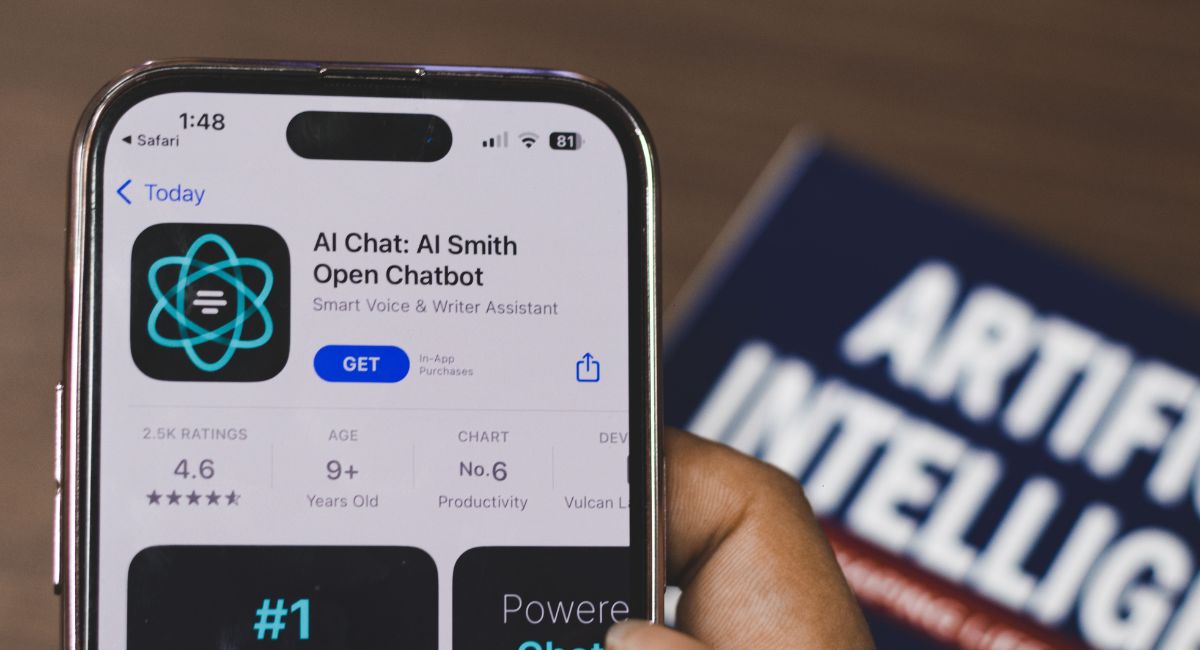
Customers expect quick responses, even outside business hours.
AI chatbots can provide instant support by answering common questions and assisting customers around the clock.
Common Tasks
- Answering FAQs
- Tracking orders
- Booking appointments
- Collecting customer information
- Handling support requests
Benefits
- 24/7 customer service
- Faster response times
- Reduced support workload
- Improved customer satisfaction
For many small businesses, AI chatbots act as a virtual support team.
3. AI Graphic Design Tools

AI Graphic Design Tools
Professional visuals are essential for modern marketing.
AI-powered design platforms make it easy to create:
- Social media graphics
- Marketing materials
- Presentations
- Advertisements
- Product mockups
- Website visuals
Benefits
- Faster design production
- Lower design costs
- Easy customization
- Professional-quality visuals
Small businesses can create polished content without hiring a full-time designer.
4. AI Video Creation Tools

Video continues to dominate online marketing.
AI video platforms can help create:
- Promotional videos
- Social media clips
- Product demonstrations
- Educational content
- YouTube videos
Advantages
- Faster production
- Lower editing costs
- Simplified workflow
- Increased content output
Businesses can maintain an active video presence without extensive technical expertise.
5. AI Email Marketing Tools

AI Email Marketing Tools
Email remains one of the highest-performing marketing channels.
AI can improve email campaigns by:
- Writing subject lines
- Personalizing content
- Predicting customer behavior
- Optimizing send times
- Segmenting audiences
Benefits
- Higher open rates
- Better engagement
- Increased conversions
- Improved customer relationships
Smarter email marketing often leads to stronger sales performance.
6. AI Social Media Management Tools
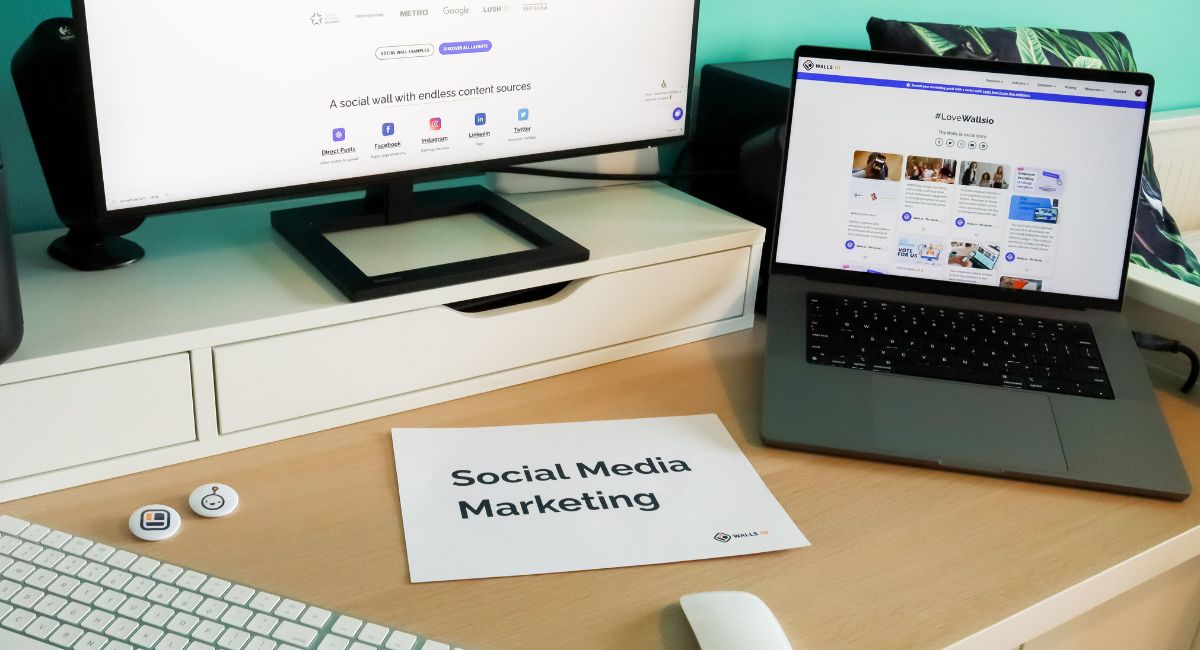
Managing multiple social media platforms can consume significant time.
AI-powered social media tools help by:
- Scheduling posts
- Generating captions
- Analyzing performance
- Suggesting content ideas
- Identifying trends
Benefits
- Consistent posting
- Better audience engagement
- Time savings
- Improved marketing efficiency
Social media becomes easier to manage even with a small team.
7. AI-Powered Accounting Tools

AI-Powered Accounting Tools
Financial management is critical for every business.
Modern accounting platforms increasingly use AI to automate routine financial tasks.
Features
- Expense categorization
- Invoice processing
- Cash flow forecasting
- Tax preparation assistance
- Financial reporting
Benefits
- Reduced bookkeeping errors
- Better financial visibility
- Time savings
- Improved accuracy
AI helps business owners spend less time on paperwork and more time growing their companies.
8. AI Meeting Assistants
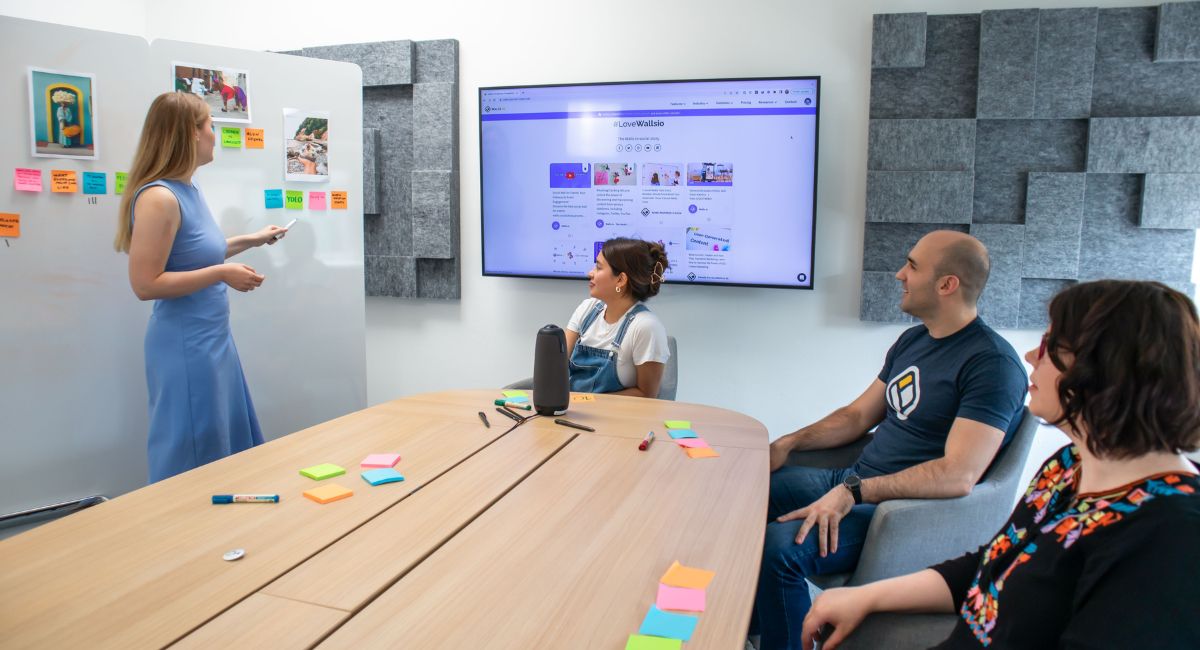
Meetings generate valuable information, but taking notes manually can be distracting.
AI meeting assistants can:
- Record meetings
- Generate transcripts
- Create summaries
- Identify action items
- Organize key insights
Benefits
- Better documentation
- Improved collaboration
- Reduced administrative work
Business owners can focus on conversations rather than note-taking.
9. AI Research and Data Analysis Tools

Making informed decisions requires accurate information.
AI research tools can analyze large amounts of data quickly and identify useful insights.
Applications
- Market research
- Competitor analysis
- Customer behavior tracking
- Industry trends
- Business intelligence
Benefits
- Faster decision-making
- Improved strategic planning
- Better market understanding
Small businesses gain access to capabilities once reserved for large corporations.
10. AI Project Management Tools
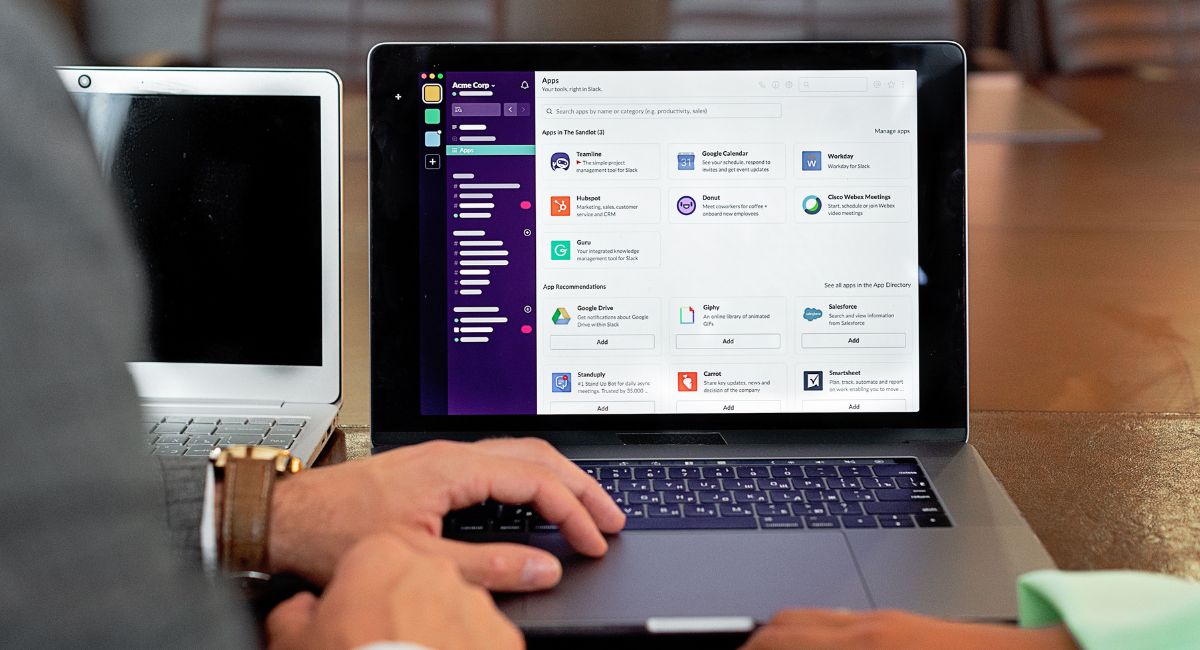
Managing projects, deadlines, and team collaboration becomes increasingly difficult as businesses grow.
AI-enhanced project management software can:
- Prioritize tasks
- Predict project delays
- Recommend resource allocation
- Automate reminders
- Improve workflow management
Benefits
- Better organization
- Increased accountability
- Improved efficiency
- Reduced project bottlenecks
11. AI Sales Assistants

AI Sales Assistants
Sales teams often spend more time on administrative work than actual selling.
AI sales tools help by:
- Tracking leads
- Scoring prospects
- Automating follow-ups
- Predicting customer intent
- Managing CRM data
Benefits
- Faster sales cycles
- Higher conversion rates
- Improved lead management
Business owners can focus on building relationships instead of manual tracking.
12. AI SEO Tools

Search engine optimization is essential for online visibility.
AI-powered SEO platforms help businesses:
- Discover keywords
- Analyze competitors
- Optimize content
- Improve rankings
- Identify content opportunities
Benefits
- Increased website traffic
- Better search visibility
- Improved content strategy
For businesses relying on organic traffic, AI can be a significant competitive advantage.
13. AI Customer Relationship Management (CRM)

Customer relationships are at the heart of business growth.
AI-enhanced CRM platforms help businesses:
- Track customer interactions
- Predict customer needs
- Personalize communications
- Improve retention strategies
Benefits
- Stronger customer loyalty
- Better customer experiences
- Increased revenue opportunities
14. AI Scheduling and Calendar Tools

Scheduling meetings can be surprisingly time-consuming.
AI scheduling tools automatically:
- Coordinate availability
- Book appointments
- Send reminders
- Handle rescheduling
Benefits
- Less administrative work
- Fewer scheduling conflicts
- Better time management
15. AI Productivity Assistants

AI productivity tools act as digital assistants that help manage daily operations.
Functions
- Task management
- Workflow automation
- Information retrieval
- Time tracking
- Priority recommendations
These tools help entrepreneurs stay organized and focused on important tasks.
How to Choose the Right AI Tools
Not every AI tool is necessary for every business.
Before investing, ask:
What Problem Am I Solving?
Choose tools that address specific business challenges.
Will It Save Time?
Time savings should be measurable.
Will It Reduce Costs?
Calculate potential return on investment.
Is It Easy to Use?
Complex tools often create more problems than they solve.
Can It Scale?
Choose solutions that can grow with your business.
Common AI Adoption Mistakes
Using Too Many Tools
More software doesn’t always mean greater productivity.
Start with one or two high-impact solutions.
Ignoring Employee Training
Even the best technology requires proper implementation.
Expecting Instant Results
AI is a tool, not a magic solution.
Businesses often see the best results through consistent use over time.
Automating Everything
Some tasks still require human judgment and creativity.
Balance automation with personal interaction.
AI Trends Small Businesses Should Watch
As AI continues evolving, several trends are shaping the future:
Hyper-Personalized Marketing
AI will create increasingly personalized customer experiences.
Voice-Based Business Tools
Voice assistants will become more integrated into daily workflows.
AI-Powered Decision Making
Businesses will rely more heavily on predictive analytics.
Intelligent Automation
Routine business processes will become increasingly autonomous.
AI Collaboration Tools
Human-AI collaboration will become standard across industries.
Businesses that embrace these trends early may gain significant competitive advantages.
Final Thoughts
Artificial Intelligence is transforming the way small businesses operate. Tasks that once required large teams, significant budgets, and countless hours can now be completed quickly and efficiently with AI-powered tools.
From content creation and customer service to accounting, marketing, project management, and sales, AI offers practical solutions that save time, reduce costs, and improve productivity.
The most successful small business owners aren’t using AI to replace people—they’re using it to eliminate repetitive work and focus on strategy, creativity, customer relationships, and growth.
You don’t need dozens of AI tools to see results. Start with one or two solutions that solve your biggest challenges, measure the impact, and expand gradually.
The future of small business belongs to entrepreneurs who learn how to work alongside AI, leveraging technology to achieve more with less effort.
