
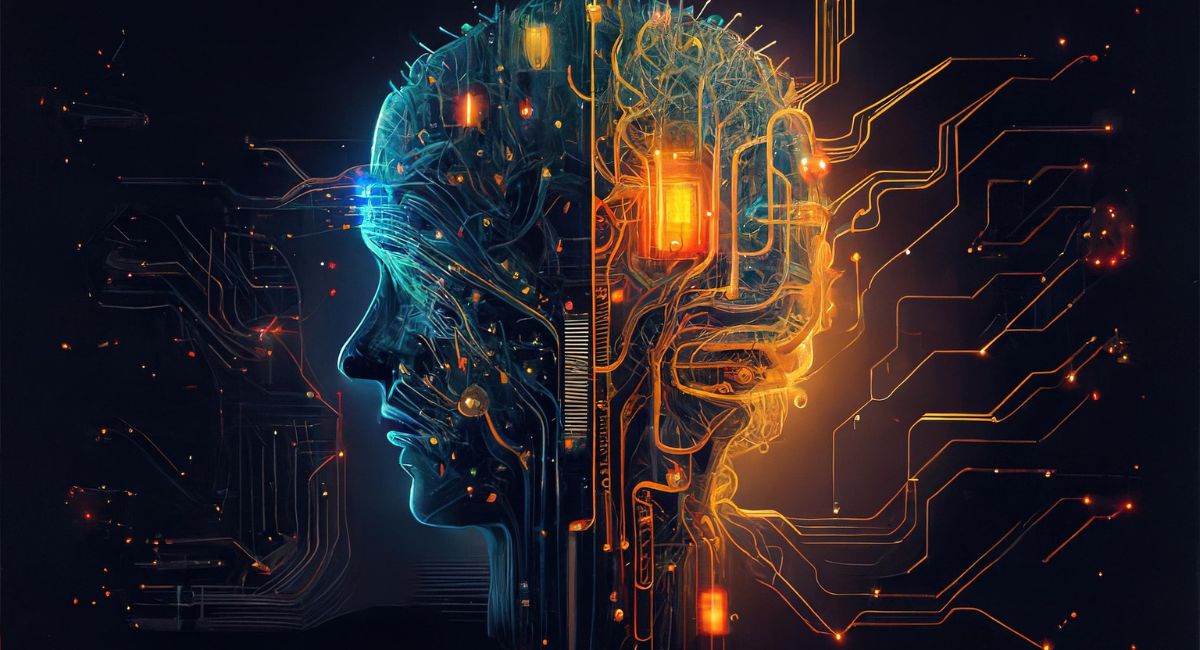
The workplace is evolving faster than ever before. Advances in technology, changing employee expectations, and the rise of digital transformation are reshaping how businesses operate, communicate, and compete. Organizations that once relied on traditional processes are now embracing automation, artificial intelligence, cloud platforms, and data-driven decision-making to remain competitive in an increasingly digital economy.
The future of work is not just about remote offices or flexible schedules—it’s about leveraging innovative technologies to increase productivity, improve customer experiences, reduce operational costs, and unlock new growth opportunities.
Whether you’re a business owner, entrepreneur, manager, or technology enthusiast, understanding these emerging technologies can help you prepare for the next era of work.
In this article, we’ll explore the ten most impactful technologies transforming modern businesses and shaping the future workplace.
Why Emerging Technologies Matter
Technology has become the foundation of modern business success.
Companies that successfully adopt innovative technologies often benefit from:
- Higher productivity
- Faster decision-making
- Improved customer experiences
- Increased profitability
- Greater operational efficiency
- Enhanced competitiveness
Businesses that fail to adapt risk falling behind more agile and technologically advanced competitors.
The future belongs to organizations that embrace innovation.
1. Artificial Intelligence (AI)
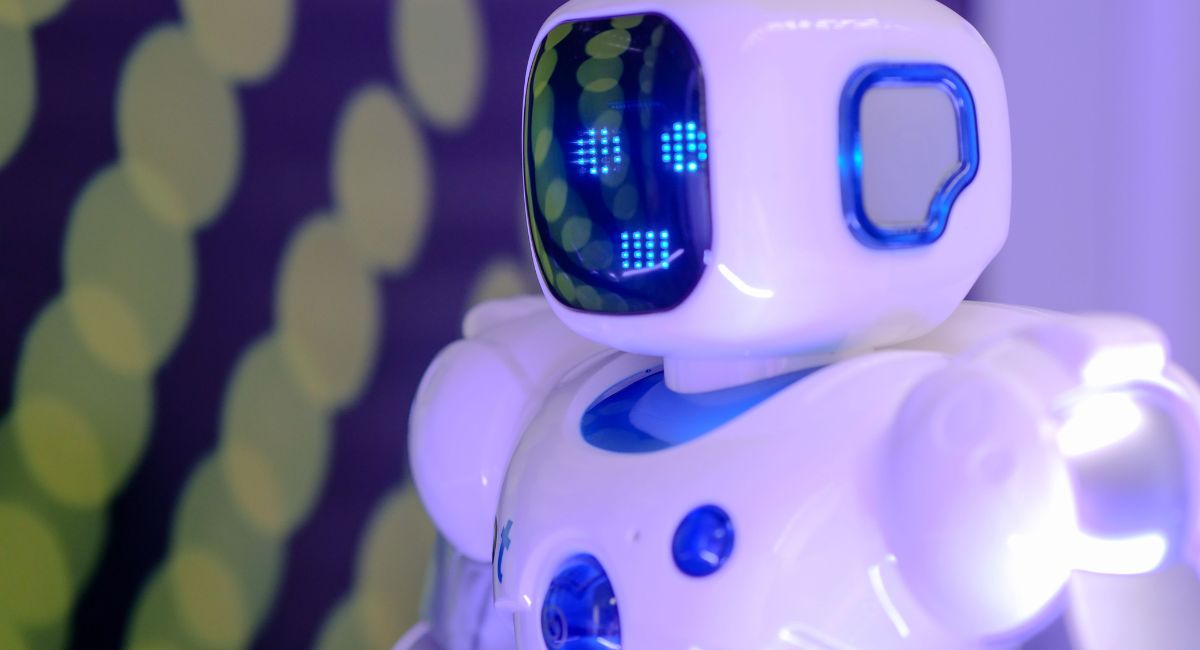
Artificial Intelligence has become one of the most transformative technologies in business.
AI systems can analyze data, recognize patterns, automate tasks, and make intelligent recommendations with remarkable speed and accuracy.
Business Applications
- Customer service chatbots
- Predictive analytics
- Fraud detection
- Marketing optimization
- Demand forecasting
- Process automation
Benefits
- Reduced operational costs
- Faster decision-making
- Improved efficiency
- Better customer experiences
AI is rapidly becoming a competitive necessity rather than a luxury.
2. Generative AI

Generative AI represents the next evolution of artificial intelligence.
Unlike traditional AI systems that analyze data, generative AI can create new content including:
- Text
- Images
- Videos
- Audio
- Software code
- Marketing materials
Business Uses
- Content creation
- Customer support
- Product design
- Software development
- Marketing campaigns
- Knowledge management
Organizations are increasingly using generative AI to accelerate workflows and enhance creativity.
3. Automation and Robotic Process Automation (RPA)

Many business tasks are repetitive, time-consuming, and prone to human error.
Robotic Process Automation allows software bots to handle routine processes automatically.
Common Applications
- Data entry
- Invoice processing
- Employee onboarding
- Customer service workflows
- Report generation
Advantages
- Reduced human error
- Faster task completion
- Lower labor costs
- Improved scalability
Automation frees employees to focus on higher-value strategic work.
4. Cloud Computing
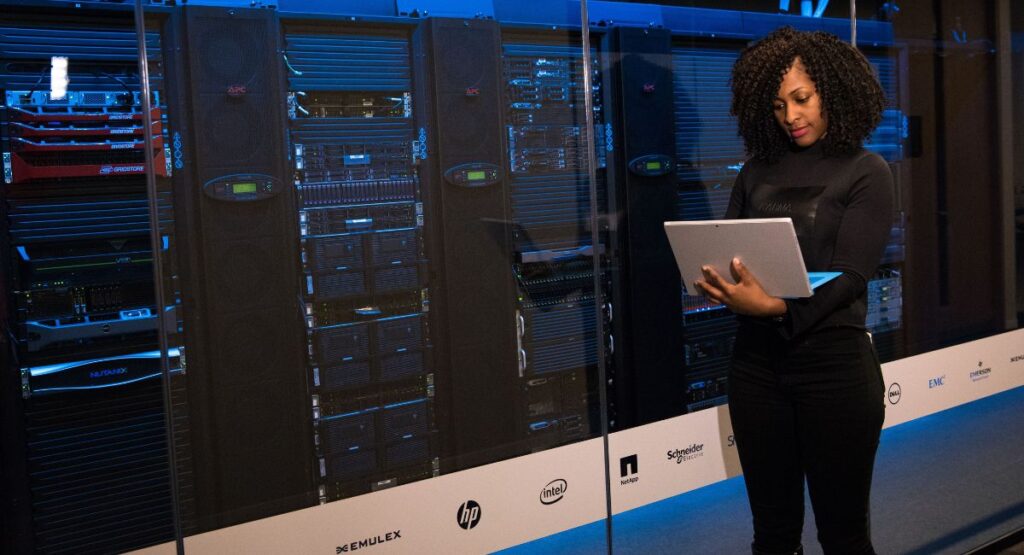
Cloud computing has transformed how businesses access and manage technology resources.
Instead of maintaining expensive on-site infrastructure, organizations can access computing power, storage, and applications through cloud providers.
Benefits
- Lower IT costs
- Improved flexibility
- Enhanced security
- Easier collaboration
- Global accessibility
Cloud platforms have become the backbone of remote and hybrid work environments.
5. Internet of Things (IoT)

Inventory tracking systems
The Internet of Things refers to interconnected devices that collect and exchange data through the internet.
Smart sensors and connected devices are enabling businesses to monitor operations in real time.
Examples
- Smart manufacturing equipment
- Connected vehicles
- Smart offices
- Inventory tracking systems
- Energy management systems
Business Benefits
- Real-time insights
- Improved efficiency
- Reduced downtime
- Predictive maintenance
IoT is helping organizations become more proactive and data-driven.
6. Advanced Data Analytics

Data has become one of the most valuable business assets.
Advanced analytics technologies enable organizations to transform raw information into actionable insights.
Key Uses
- Customer behavior analysis
- Market forecasting
- Risk management
- Performance measurement
- Strategic planning
Benefits
- Better decisions
- Improved customer understanding
- Increased profitability
- Faster response to market changes
Data-driven companies consistently outperform competitors that rely on intuition alone.
7. Cybersecurity Automation

As businesses become more digital, cyber threats continue to grow.
Traditional security approaches often struggle to keep up with evolving threats.
Cybersecurity automation uses AI and machine learning to detect, analyze, and respond to attacks faster than human teams alone.
Benefits
- Faster threat detection
- Reduced response times
- Improved compliance
- Stronger security posture
Cybersecurity is no longer just an IT concern—it is a business priority.
8. Extended Reality (XR)
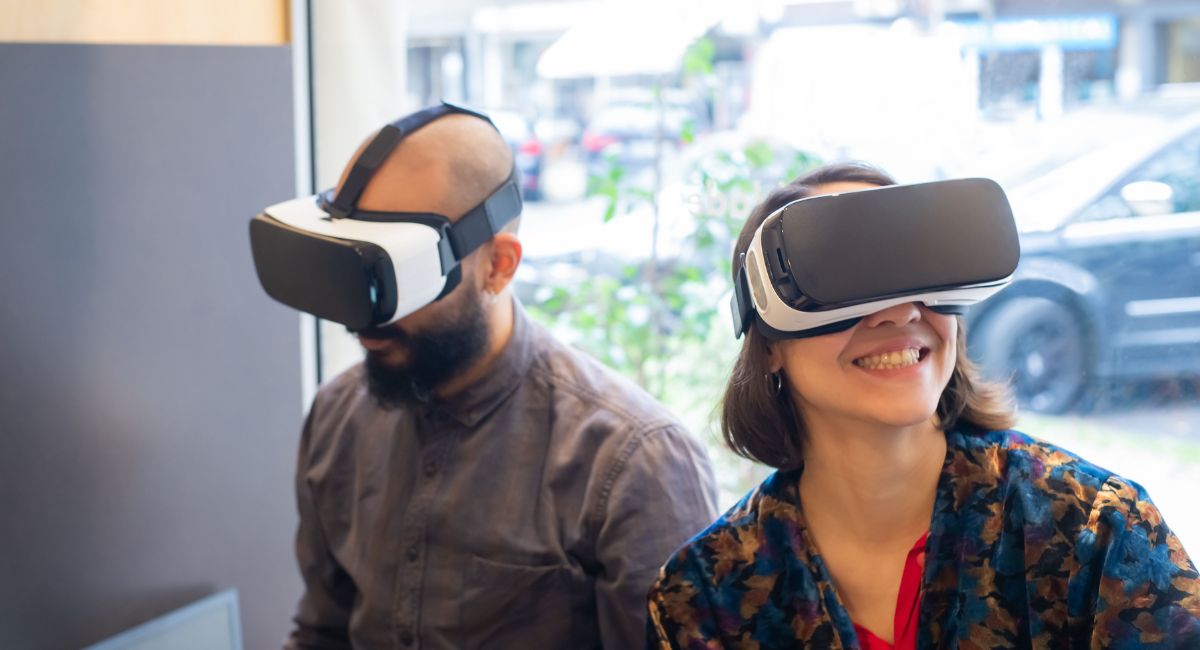
Extended Reality includes:
- Virtual Reality (VR)
- Augmented Reality (AR)
- Mixed Reality (MR)
These immersive technologies are creating new ways for businesses to train employees, engage customers, and collaborate remotely.
Business Applications
Employee Training
Workers can practice complex procedures in virtual environments.
Product Visualization
Customers can preview products before making purchases.
Remote Collaboration
Teams can interact in immersive digital workspaces.
XR technologies are gradually transforming learning, communication, and customer experiences.
9. Digital Twins

A digital twin is a virtual representation of a physical object, system, or process.
Organizations use digital twins to simulate real-world conditions and test scenarios before implementing changes.
Industries Using Digital Twins
- Manufacturing
- Construction
- Healthcare
- Transportation
- Energy
Benefits
- Better planning
- Reduced costs
- Improved maintenance
- Enhanced operational efficiency
Digital twins help businesses make smarter decisions with less risk.
10. Robotics and Intelligent Machines
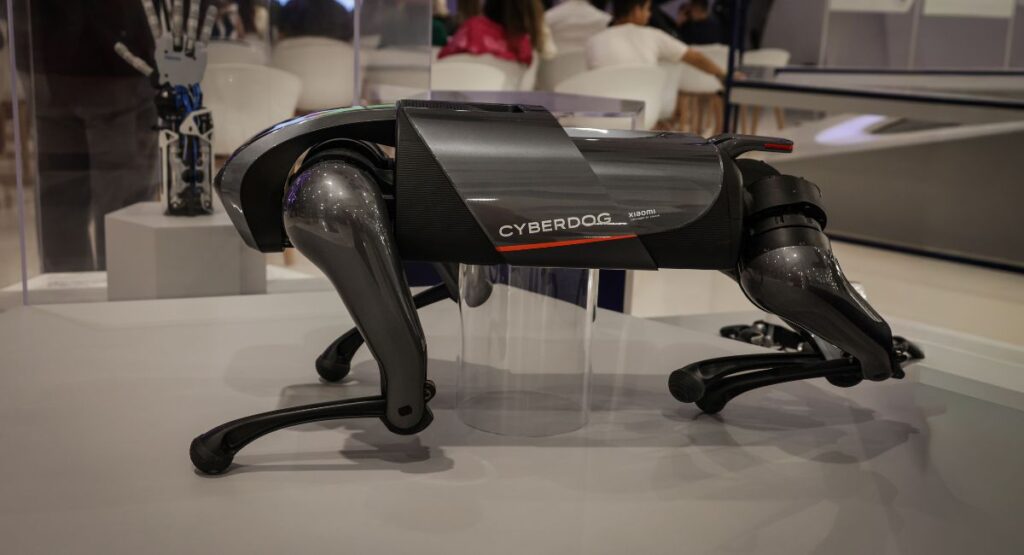
Robotics continues to evolve beyond factory automation.
Modern robots can work alongside humans, perform complex tasks, and adapt to changing environments.
Business Applications
- Warehousing
- Logistics
- Healthcare
- Agriculture
- Manufacturing
Benefits
- Increased productivity
- Improved precision
- Enhanced safety
- Reduced labor-intensive work
As robotics technology becomes more affordable, adoption will continue to accelerate.
How These Technologies Are Changing the Workplace
The integration of emerging technologies is fundamentally transforming work itself.
Increased Automation
Employees spend less time on repetitive tasks and more time on strategic activities.
Enhanced Collaboration
Cloud platforms and digital tools enable seamless teamwork across locations.
Better Decision-Making
AI and analytics provide actionable insights in real time.
Greater Flexibility
Technology supports remote work, hybrid work models, and global collaboration.
Continuous Innovation
Businesses can adapt more quickly to market changes and customer demands.
The workplace of the future will be more connected, intelligent, and agile than ever before.
Skills Professionals Need for the Future
As technology evolves, professionals must develop new skills to remain competitive.
Essential Future Skills
Digital Literacy
Understanding modern technologies and digital tools.
Data Analysis
Interpreting information and making data-driven decisions.
Critical Thinking
Evaluating complex situations and solving problems effectively.
Creativity
Generating innovative ideas and solutions.
Adaptability
Embracing change and learning new technologies.
Emotional Intelligence
Building relationships and collaborating effectively.
While technology continues to advance, human skills remain incredibly valuable.
Challenges of Technology Adoption
Although emerging technologies offer significant benefits, businesses often face challenges during implementation.
Common Obstacles
- High initial investment
- Employee resistance
- Cybersecurity concerns
- Skills shortages
- Integration difficulties
Successful organizations address these challenges through strategic planning, training, and change management.
Preparing Your Business for the Future
Businesses don’t need to adopt every new technology immediately.
Instead, leaders should:
Evaluate Business Needs
Identify operational challenges and opportunities.
Start Small
Pilot programs help test technologies before large-scale implementation.
Invest in Employee Training
Technology adoption succeeds when employees understand how to use new tools effectively.
Prioritize Security
Protecting business data should remain a top priority.
Embrace Continuous Learning
Technology evolves rapidly, making ongoing education essential.
Organizations that continuously adapt will be best positioned for long-term success.
The Future Workplace in 2030
By the end of this decade, many experts predict workplaces will feature:
- AI-powered assistants
- Highly automated workflows
- Intelligent decision-support systems
- Immersive virtual collaboration
- Smart office environments
- Autonomous logistics systems
- Predictive business operations
Work will become increasingly digital, personalized, and data-driven.
Technology will not replace human creativity and leadership—it will enhance them.
Final Thoughts
The future of work is being shaped by powerful technologies that are transforming every aspect of business operations. Artificial intelligence, automation, cloud computing, advanced analytics, cybersecurity, robotics, and immersive technologies are creating new opportunities for growth, efficiency, and innovation.
Organizations that embrace these changes can improve productivity, deliver better customer experiences, and build sustainable competitive advantages. At the same time, professionals must continue developing adaptable skills that complement technological advancements.
The businesses that thrive in the coming years will be those that view technology not as a disruption, but as a strategic tool for innovation and growth.
The future of work has already begun. The question is not whether businesses should adapt, but how quickly they can do so.
